Instagram vs TikTok vs Pinterest for Food Brands in 2026: Where to Actually Spend
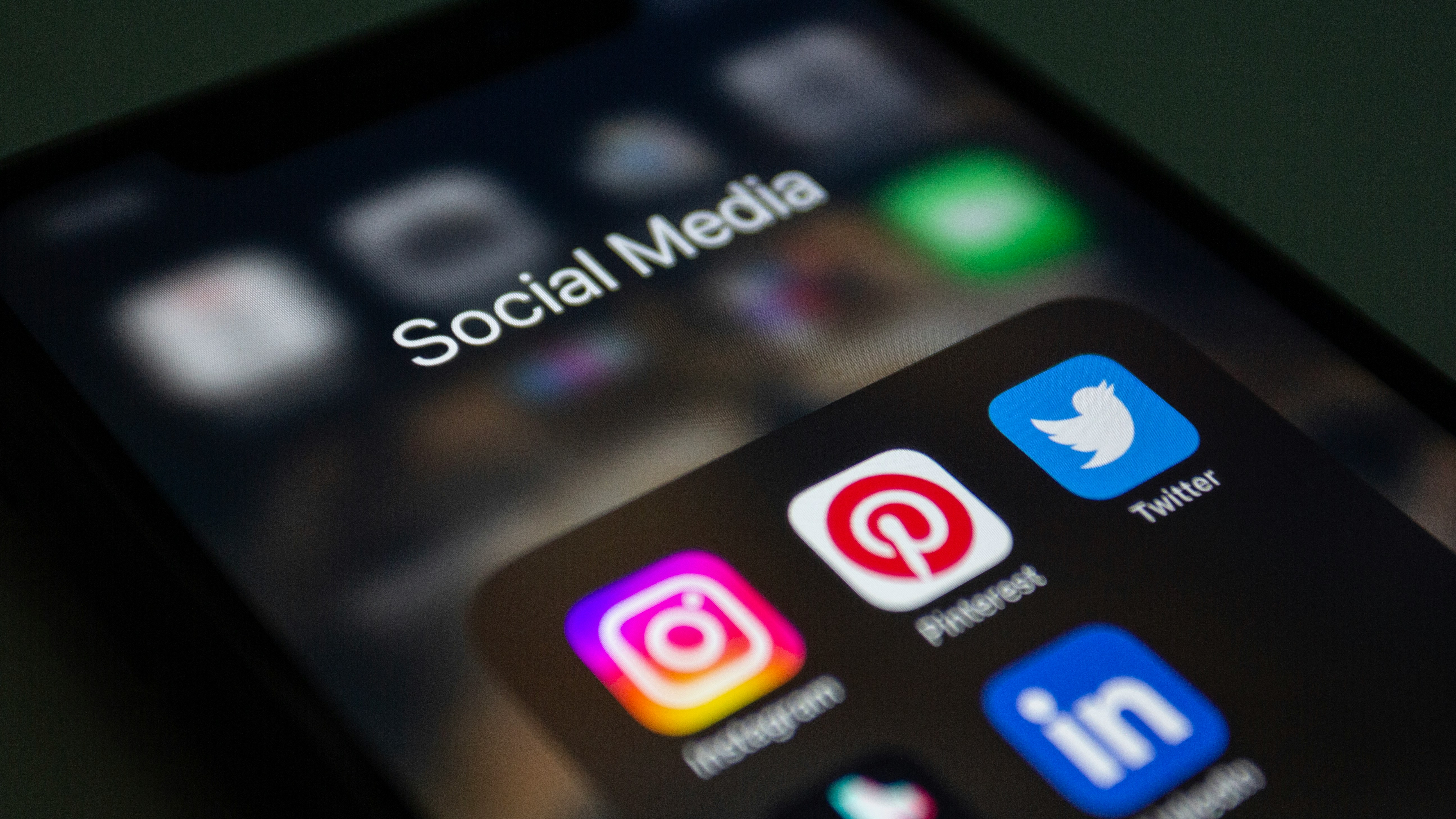
Most food brands treat Instagram, TikTok, and Pinterest as interchangeable places to post the same content and hope one of them sticks. That's a mistake. Each platform serves a genuinely different function in the customer journey, and brands that recognize this get more out of the same content budget than brands posting identically everywhere.
TikTok: The Discovery Engine
TikTok's algorithm surfaces content based on engagement signals rather than follower count, which is exactly why it remains the best discovery channel for food brands with no existing audience. A brand with zero followers can still reach hundreds of thousands of people if the content earns watch time.
This matters enormously for emerging brands. You don't need an ad budget to get discovered on TikTok; you need content that earns attention in the first two seconds. Recipe demonstrations, product origin stories, and "trying this for the first time" formats consistently outperform polished brand advertising here.
Use TikTok for: top-of-funnel discovery, especially for brands under two years old with limited paid budget.
Instagram: Retention and Community
Instagram's strength isn't discovery anymore; it's retention. Once someone follows a food brand on Instagram, the platform is built for maintaining that relationship through Stories, close friends lists, and consistent feed presence. It's where existing customers check in on a brand, not typically where new customers find one.
Content that performs well here looks different from TikTok content. Behind-the-scenes posts, customer UGC reposts, and product education content build the kind of ongoing relationship that turns a one-time buyer into a repeat customer.
Use Instagram for: nurturing an existing audience and building community once you have followers worth retaining.
Pinterest: High-Intent, Long Shelf Life
Pinterest behaves more like a search engine than a social platform, and food brands consistently underestimate this. A well-optimized recipe pin using your product can keep driving traffic a year after posting, something functionally impossible on Instagram or TikTok, where content has a shelf life measured in days.
The audience here also skews toward high purchase intent. Someone searching "high protein breakfast ideas" on Pinterest is closer to a buying decision than someone scrolling TikTok for entertainment.
Use Pinterest for: ingredient and recipe-driven search traffic with long-term compounding value, particularly for brands with recipe or use-case-heavy products.
A Decision Matrix by Brand Stage
Pre-launch to early stage (limited or no existing audience): prioritize TikTok. Discovery is the priority, and TikTok doesn't require an existing follower base or ad budget to work.
Growth stage (existing customer base, repeat purchase focus): prioritize Instagram. You have people worth retaining, and Instagram's tools are built for exactly that relationship.
Any stage with recipe or ingredient-led products: add Pinterest as a compounding, low-maintenance channel. It requires less constant content output than Instagram or TikTok and keeps working long after you've posted.
The Bottom Line
Choosing a platform isn't about picking a winner; it's about matching platform mechanics to what you actually need right now. A pre-launch brand pouring effort into Instagram community-building has nothing to retain yet. A growth-stage brand chasing TikTok discovery when it already has 20,000 loyal Instagram followers is neglecting the relationship it's already built. Match the platform to the funnel stage, not the other way around.
If managing content across all three platforms is becoming a scheduling problem, we've compared Sprout Social, Later, and Loomly for CPG social teams to help you pick the right tool for your team size. And for a deeper look at which content formats actually drive purchase rather than just views, see the formats that drive purchase across social platforms.
Alex Reid
Editor, cpgmarketing.blog