CPG Shopper Marketing in 2026: What It Is and Why Emerging Brands Are Getting It Wrong
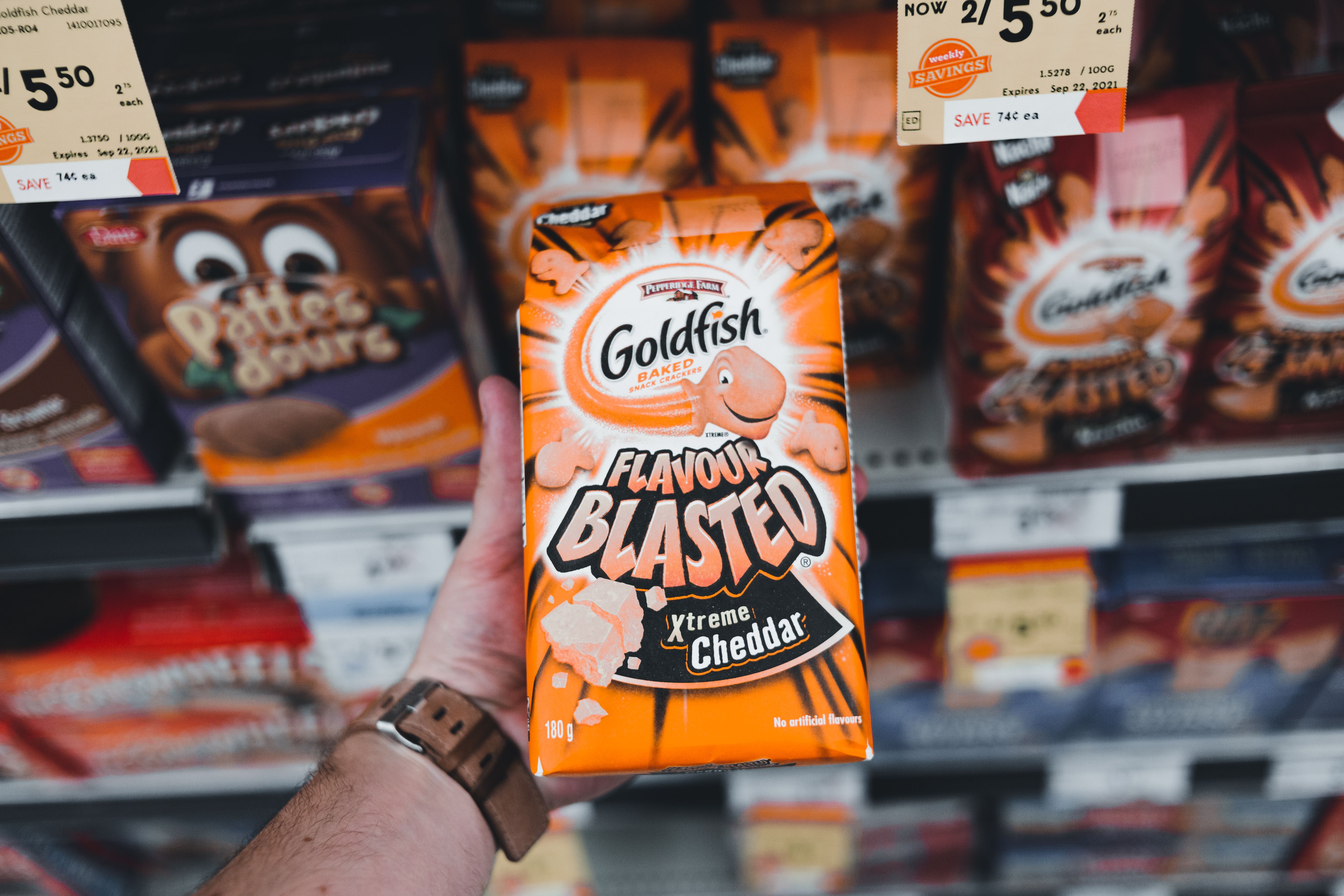
Shopper marketing is one of the most chronically misunderstood terms in CPG, and the confusion is costly for emerging brands specifically. Many conflate it entirely with trade spend, the discounts, slotting fees, and co-op arrangements paid to retailers, when shopper marketing actually refers to something more specific: the marketing activity that happens at or near the point of purchase itself.
A Clear Definition
Shopper marketing is marketing aimed at influencing a purchase decision that's already underway, at or very near the moment and location where that decision happens. This is meaningfully different from broader brand marketing, which builds awareness and preference before a shopper ever enters a store or opens a grocery app.
The distinction matters because the two require genuinely different tactics and timing. Brand marketing might build awareness weeks or months before a purchase; shopper marketing is trying to tip a decision that's happening right now, in the aisle or on the screen.
Why Trade Spend and Shopper Marketing Get Conflated
Trade spend, the payments and financial arrangements made to secure and maintain retail shelf placement and visibility, sometimes funds shopper marketing activity. A retailer's co-op marketing fund, paid for partly through trade spend arrangements, might be used to run an in-store demo or a digital shelf ad. This overlap is exactly why the two terms get confused.
But trade spend is fundamentally a financial and relationship arrangement with a retailer. Shopper marketing is the actual marketing activity and messaging that happens as a result, sometimes funded by trade spend dollars, sometimes executed independently of any formal trade spend arrangement at all.
The Actual Tools of Shopper Marketing
In-store demos. Direct product sampling at the point of purchase, particularly valuable for food and beverage products where taste and quality claims benefit enormously from direct trial rather than relying on packaging claims alone.
Digital shelf advertising. Sponsored placements within a retailer's own digital shopping experience, whether that's a retailer's app, website, or a platform like Instacart, that put a product in front of a shopper actively browsing that specific category.
Instacart and online grocery promotions. Sponsored placements or promotional pricing specifically within online grocery platforms, capturing a shopper at the exact moment they're building a cart in your category.
Retailer-funded media. Media placements funded partly or fully through a retailer's own marketing programs, which can include in-store signage, retailer app placements, or co-branded promotional campaigns.
Where the ROI Actually Is for Limited Trade Budgets
Emerging brands without large trade spend budgets shouldn't conclude that shopper marketing is out of reach entirely. In-store demos, in particular, can be executed at a meaningfully smaller scale, a handful of demo days at key doors rather than an extensive multi-region program, and still produce real trial and conversion lift for the specific doors where they run.
Digital shelf and Instacart promotions similarly can be tested at modest budget levels rather than requiring the scale of a full national trade spend commitment, making them accessible entry points for brands wanting to test shopper marketing without a large financial commitment.
The mistake most emerging brands make isn't attempting shopper marketing with limited budget; it's assuming they need a large trade spend commitment before shopper marketing makes sense at all, when many of the actual tactics can be tested and executed independently at a scale appropriate to a smaller budget.
The Bottom Line
Shopper marketing and trade spend are related but distinct: trade spend is the financial arrangement, shopper marketing is the actual activity at the point of purchase, and conflating the two leads emerging brands to either overspend chasing a trade spend game they can't afford, or to wrongly assume shopper marketing itself is out of reach without a large trade budget. In-store demos, digital shelf ads, and online grocery promotions can all be executed at a scale appropriate to a smaller brand, and often produce meaningful lift exactly where it matters most: the actual point of purchase decision.
Understanding how shopper marketing fits alongside your broader distribution strategy matters too; see our explainer on broker, DSD, and direct distribution models for emerging brands.
Alex Reid
Editor, cpgmarketing.blog